MEMORIAL GUIDE
Find the Right
Memorial
Compare headstones, materials, prices and cemetery requirements
before you buy.
START HERE
What kind of memorial are you looking for?
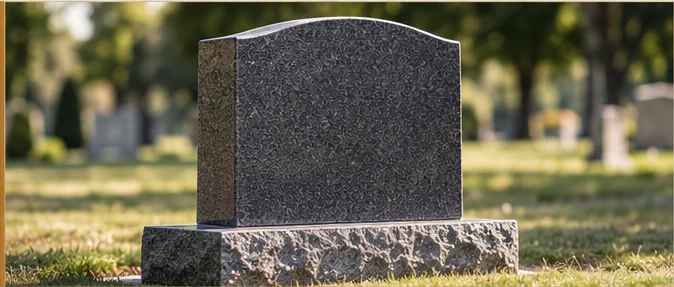
Upright Headstones
Traditional full-size memorials with more space for names, inscriptions and personalization.
Explore →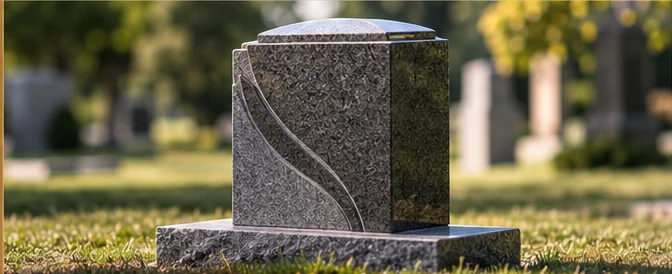
Cremation Memorials
Permanent memorial options for cremation, from plaques and markers to monuments and benches.
Explore →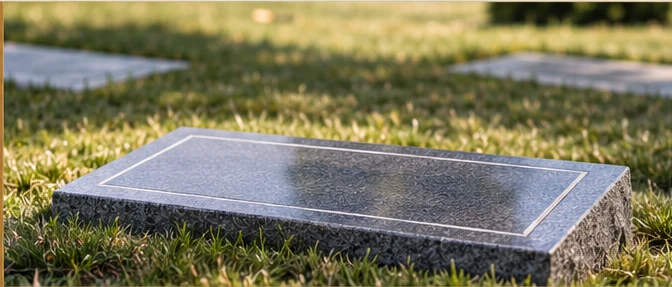
Flat Grave Markers
Ground-level memorials that are compact, practical and subject to cemetery size and installation rules.
Explore →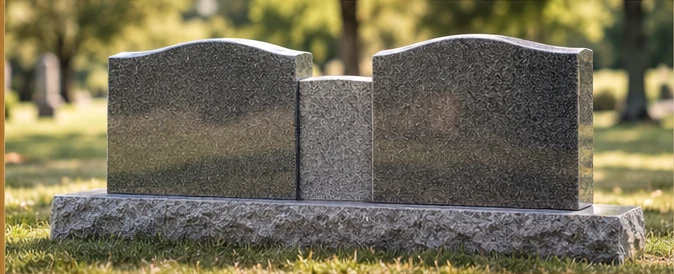
Companion Memorials
Memorials designed to honor two people together, with shared space for names, dates and inscriptions.
Explore →KNOW THE REAL COST
Understand what you are actually paying for.
The price of a memorial can include more than the stone itself. Learn how materials, lettering, setting, permits and delivery affect the final cost.
Three things worth knowing before you order
- The cemetery decides what is allowed, not the dealer. Size, material, colour and finish rules vary between cemeteries and often between sections of the same cemetery. A section that permits only flat bronze markers rules out an upright granite stone no matter who is selling it. Ask for the regulations in writing before you choose a stone.
- The quote you are given is rarely the whole bill. Foundation, setting fee, permit and delivery are commonly separate line items. Make each seller break a quote into the monument, the engraving, and the installation, then compare the three separately. A cheap stone with an expensive setting fee is a common shape for a quote to take.
- If the veteran qualifies, the stone itself is free. The VA furnishes a headstone, marker, or bronze medallion at no cost, including in private cemeteries. It does not pay to set it in the ground, which is the part families are least prepared for.
When you are buying the stone yourself
A VA marker covers one veteran, one grave, and one set of rules. Everyone else buys privately, in a market with no published price list, where the same specification can carry very different numbers depending on who is quoting and how the quote is divided up.
Two decisions drive most of the difference. The first is granite or marble — they are not interchangeable, they age differently, and one of them is a poor choice in most American climates. The second is where you buy: ordering a headstone online is now genuinely viable, and considerably cheaper than a funeral-home referral, but it moves the setting, the permit and the cemetery paperwork onto you.
- What a headstone costs — monument, lettering and setting priced separately, and why the same stone varies so widely
- Granite or marble — weathering, legibility over decades, and what cemeteries will actually accept
- Buying a headstone online — what you save, what you take on, and the questions that separate a real supplier from a reseller
Planning ahead
Almost everything below is easier to settle years early than in the week after a death, and none of it expires. Eligibility for burial in a national cemetery is worth resolving first, because the answer changes which of the other benefits are even relevant.
- Pre-need eligibility determination — get the answer years early, on one free form
- Who can be buried in a national cemetery — including spouses, children, Guard and Reserve
- Every burial benefit and its form — six of them, and none arrive automatically
- The burial allowance — a reimbursement, not a payment to the funeral home
Headstones and markers
The VA offers more than one kind of marker, and the choice is usually final. If a private stone is already on the grave, the decision is between a medallion and a second marker rather than between marker types. An approved claim also brings a Presidential Memorial Certificate, which arrives without being asked for and can be reissued in extra copies at no cost.
- VA Form 40-1330 — the claim form block by block, and what actually causes the delay
- Medallion or second stone — you get one, not both. How to choose.
- Marker types — every option the VA offers, drawn to scale
- Presidential Memorial Certificate — free, automatic, and you can ask for extra copies
Researching an ancestor
The rules loosen considerably the further back you go. For service that ended before 1917 anyone may apply, related or not, and the VA still produces the original Civil War and Spanish-American War designs to their nineteenth-century patterns. The hard part is almost never the application — it is proving the grave is where you think it is.
- A free headstone for a veteran ancestor — for service ending before 1917, anyone may apply. You don't have to be family.
- Finding a veteran's grave — the free tools first, and what each one will and won't tell you
- Civil War and Confederate headstones — the original designs, still made to the 1870s patterns
Records, cleaning and repair
- Every discharge document the VA accepts — the DD-214 is not the only one, and it only exists from 1950
- How to get a DD-214 — free, three ways, and how to have a burial request expedited
- How to clean a headstone safely — the official method, and what will damage the stone permanently
- Replacing a damaged marker — free, and it applies to stones set decades ago
Stone & Marker is independent. We don't sell headstones, take payment from monument dealers, or pass your details to anyone. Some links on this site earn a commission. How this site makes money. Information here is compiled from VA and National Cemetery Administration publications, National Archives guidance, cemetery fee schedules and published industry pricing. It is general guidance, not advice about a particular grave.
MEMORIAL FINDER
Start with what matters most.
Answer three quick questions and get a simple place to begin.
01 / What are you memorializing?
02 / What feels right?
03 / What do you want to do next?
A place to begin
EXPLORE VISUALLY
Four common memorial directions.
See the differences at a glance, then open the guide that fits.
USEFUL TOOLS